

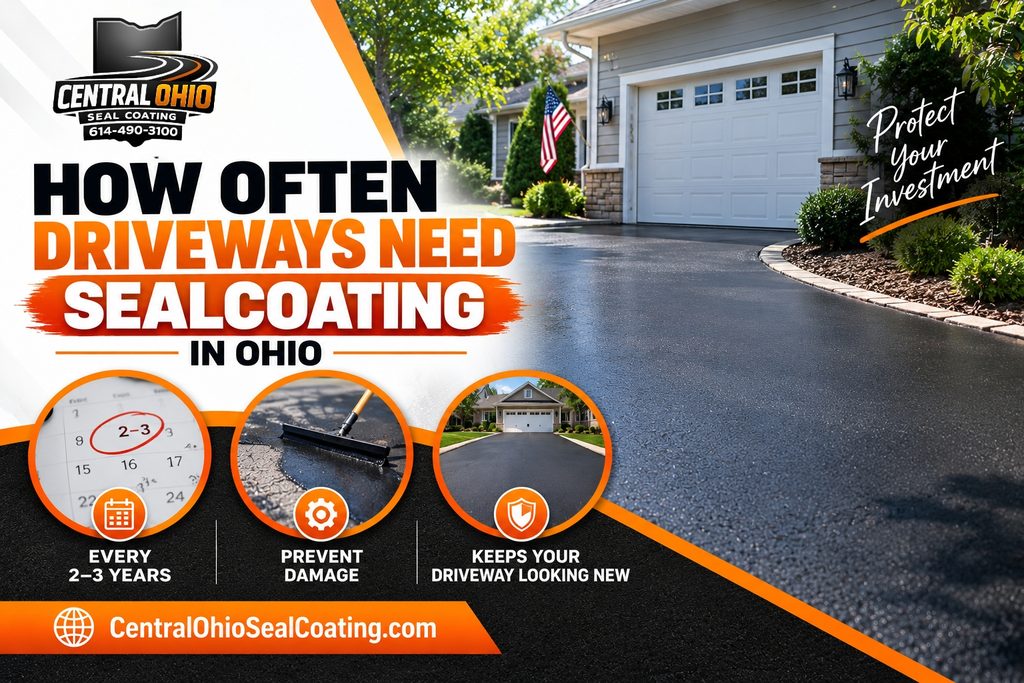
How Often Should You Reseal Driveway in Ohio? For many residential asphalt driveways, resealing every two to three years is a practical maintenance interval, but the exact timing depends on the driveway’s condition, traffic, weather exposure, and quality of the previous application. Central Ohio Seal Coating recommends a two-to-three-year interval for most asphalt surfaces.
However, sealcoating should not be treated as a rigid calendar appointment. The Asphalt Institute advises sealing when an asphalt surface begins showing signs such as dryness, brittleness, small surface cracks, or raveling, while noting that a newly constructed, properly built low-traffic pavement may not need sealing for approximately two to five years.
For Ohio homeowners, this distinction matters because seasonal weather, moisture, freezing and thawing, sunlight, and vehicle traffic can gradually change the condition of a driveway.
Central Ohio Seal Coating can evaluate the existing surface and help determine whether it is ready for another sealcoat or needs repairs first.
1. Why Does a Driveway Need to Be Resealed?
Asphalt naturally ages as it is exposed to weather and daily use.
Over time, the pavement can become:
- Lighter in color
- Drier in appearance
- More susceptible to surface cracking
- Rougher
- More vulnerable to moisture
- More affected by oxidation
Sealcoating places a protective layer over suitable asphalt, helping limit exposure to moisture, sunlight, and everyday surface wear. Central Ohio Seal Coating describes sealcoating as a preventive treatment intended to protect structurally sound asphalt rather than repair major pavement failures.
The purpose of resealing is therefore preventive maintenance, not simply making an old driveway look darker.
2. The General Resealing Interval Is About 2–3 Years
For many Ohio residential driveways, two to three years can be a reasonable starting point for considering another sealcoating application. Central Ohio Seal Coating specifically states that most asphalt surfaces should be sealcoated every two to three years depending on traffic, weather conditions, and pavement condition.
But homeowners should still inspect the driveway rather than automatically resealing it every two years.
A driveway that still has a healthy, well-maintained surface may not need another application immediately.
On the other hand, a driveway exposed to heavier traffic or harsher conditions may show signs of wear sooner.
3. New Asphalt May Need a Different Schedule
A newly constructed driveway generally should not be sealed immediately.
The Asphalt Institute states that a properly designed and constructed low-traffic pavement such as a residential driveway may not require sealing for approximately two to five years, depending on climate severity and construction quality.
This means homeowners should not assume:
“New asphalt = seal it immediately.”
Instead, the pavement should be allowed to develop appropriately and then evaluated for its maintenance needs.
Central Ohio Seal Coating’s residential guidance also recommends evaluating new asphalt before beginning routine sealcoating.
4. Ohio Weather Can Affect Sealcoating Frequency
Ohio driveways experience changing conditions throughout the year.
A driveway can be exposed to:
- Summer sunlight
- Rain
- Snow
- Freezing temperatures
- Freeze-thaw cycles
- Vehicle traffic
- Moisture
- Seasonal temperature changes
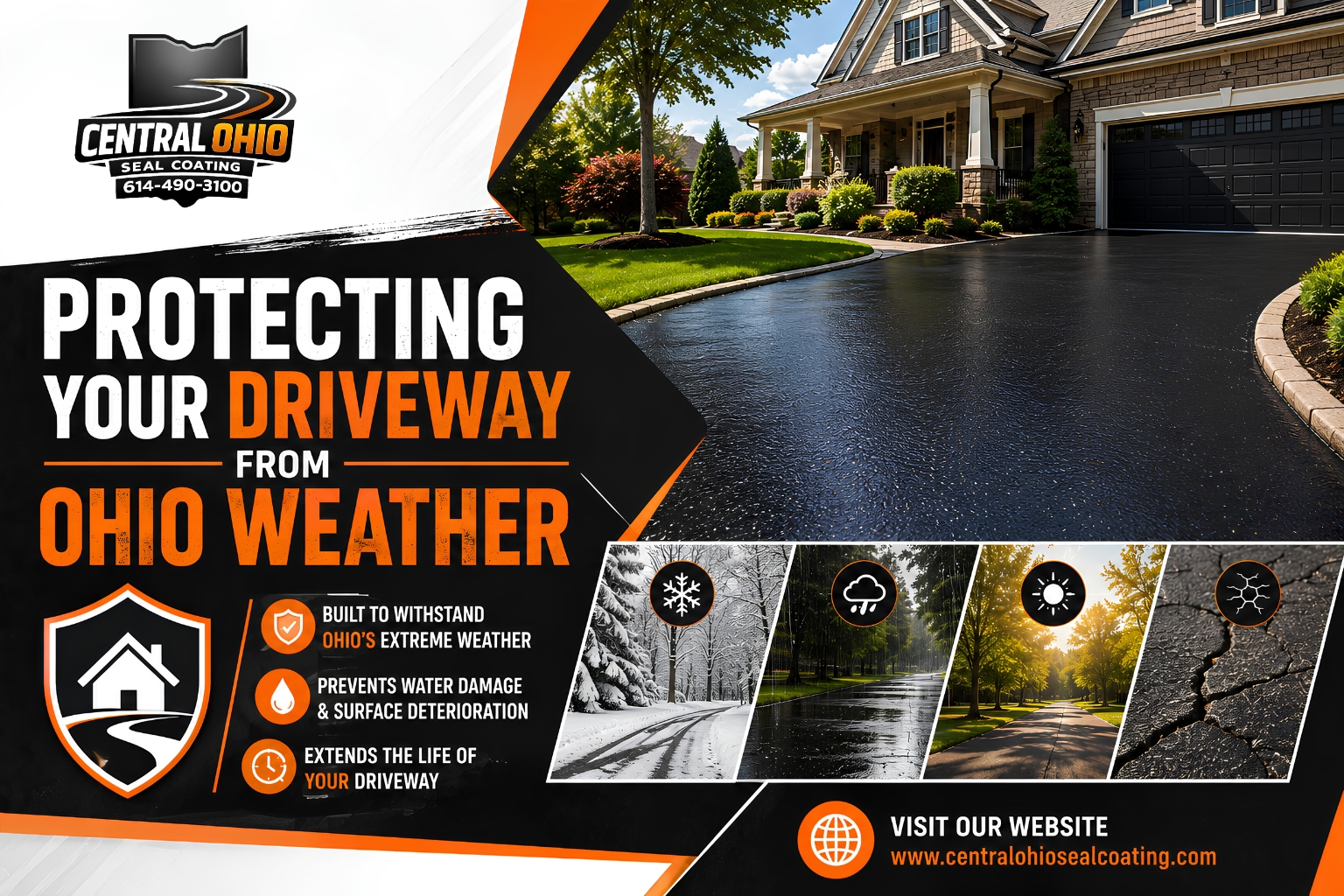
Water entering small pavement openings can become particularly problematic when temperatures fluctuate around freezing.
Central Ohio Seal Coating notes that Ohio’s freeze-thaw cycles can allow water to enter small cracks and contribute to surface damage.
Regular maintenance can help protect suitable asphalt before minor surface deterioration develops into more extensive problems.
5. Look at the Driveway’s Color
One of the easiest signs of aging is a change in asphalt color.
Fresh asphalt typically has a darker appearance. As asphalt ages and oxidizes, it gradually becomes lighter or gray.
A faded driveway does not automatically require sealcoating, but it can be one sign that the surface should be inspected.
Central Ohio Seal Coating identifies fading from deep black to gray as one of the signs homeowners may notice when their driveway needs maintenance.
6. Small Surface Cracks Can Signal Maintenance Needs
Minor surface cracking is another condition to watch.
If a driveway develops small cracks, homeowners should not simply wait for the next scheduled sealcoating date.
The cracks should be evaluated first.
The Asphalt Institute recommends sealing asphalt when signs such as small surface cracks, dryness, brittleness, or raveling become noticeable.
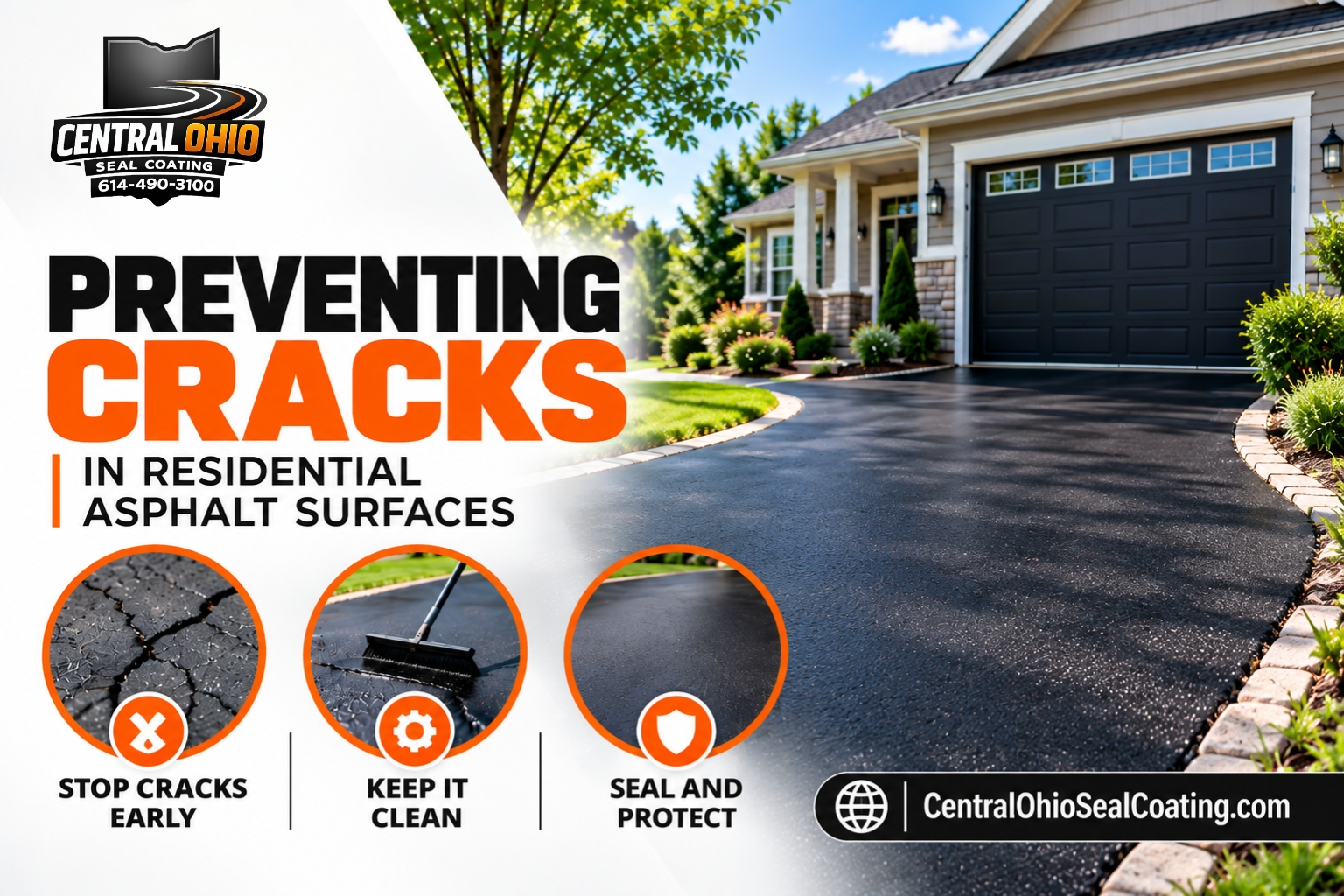
However, sealcoating itself does not repair every type of crack.
Larger or structural cracks may need separate treatment before the surface can be sealcoated.
7. A Dry or Rough Surface May Need Attention
Another warning sign is a driveway that looks increasingly dry or rough.
This can indicate surface aging and loss of some of the asphalt’s original protective characteristics.
Central Ohio Seal Coating lists a dry or worn appearance and rough surface texture among the signs homeowners should watch for.
If the pavement remains structurally sound, preventive sealcoating may be appropriate.
8. Traffic Can Change How Often You Need to Reseal
A residential driveway used by one or two vehicles may experience less wear than a driveway that handles:
- Multiple vehicles
- Work trucks
- Frequent deliveries
- Trailers
- Heavy equipment
Greater traffic can increase surface wear.
That means two driveways installed around the same time may not necessarily require resealing at exactly the same interval.
Central Ohio Seal Coating specifically identifies traffic level as one of the factors affecting sealcoating frequency.
9. Sunlight Also Ages Asphalt
Sun exposure contributes to asphalt oxidation.
Over time, sunlight can cause asphalt to become lighter and more brittle.
Ohio may not have Florida-level heat, but residential pavement still receives regular UV exposure during the warmer months.
Sealcoating can provide a protective surface layer that helps reduce exposure to environmental factors.
Central Ohio Seal Coating identifies protection from sunlight and oxidation as important benefits of regular sealcoating.
10. Moisture Is One of the Main Reasons to Maintain Asphalt
Water is an important concern for asphalt pavement.
Moisture can enter cracks and surface openings and contribute to deterioration.
During Ohio’s colder months, water inside pavement openings can become particularly problematic when temperatures fluctuate.
A properly maintained sealcoat can help reduce direct moisture exposure on suitable pavement.
However, sealcoating is not a substitute for repairing major cracks or fixing drainage problems.
11. Sealcoating Does Not Fix Major Driveway Damage
This is one of the most important things homeowners should understand before deciding to reseal a driveway.
Sealcoating is a protective treatment.
It does not repair:
- Deep potholes
- Major structural cracks
- Sinking pavement
- Severe rutting
- Widespread pavement failure
- Major base problems
Central Ohio Seal Coating specifically explains that potholes, deep damage, and significant pavement problems should be addressed separately before sealcoating.
Applying sealcoat over serious deterioration does not solve the underlying problem.
12. Cracks Should Be Addressed Before Sealcoating
Proper preparation is essential.
Before sealcoating, the driveway should be:
- Inspected
- Cleaned
- Prepared
- Repaired where necessary
- Allowed to reach suitable conditions
- Sealcoated evenly
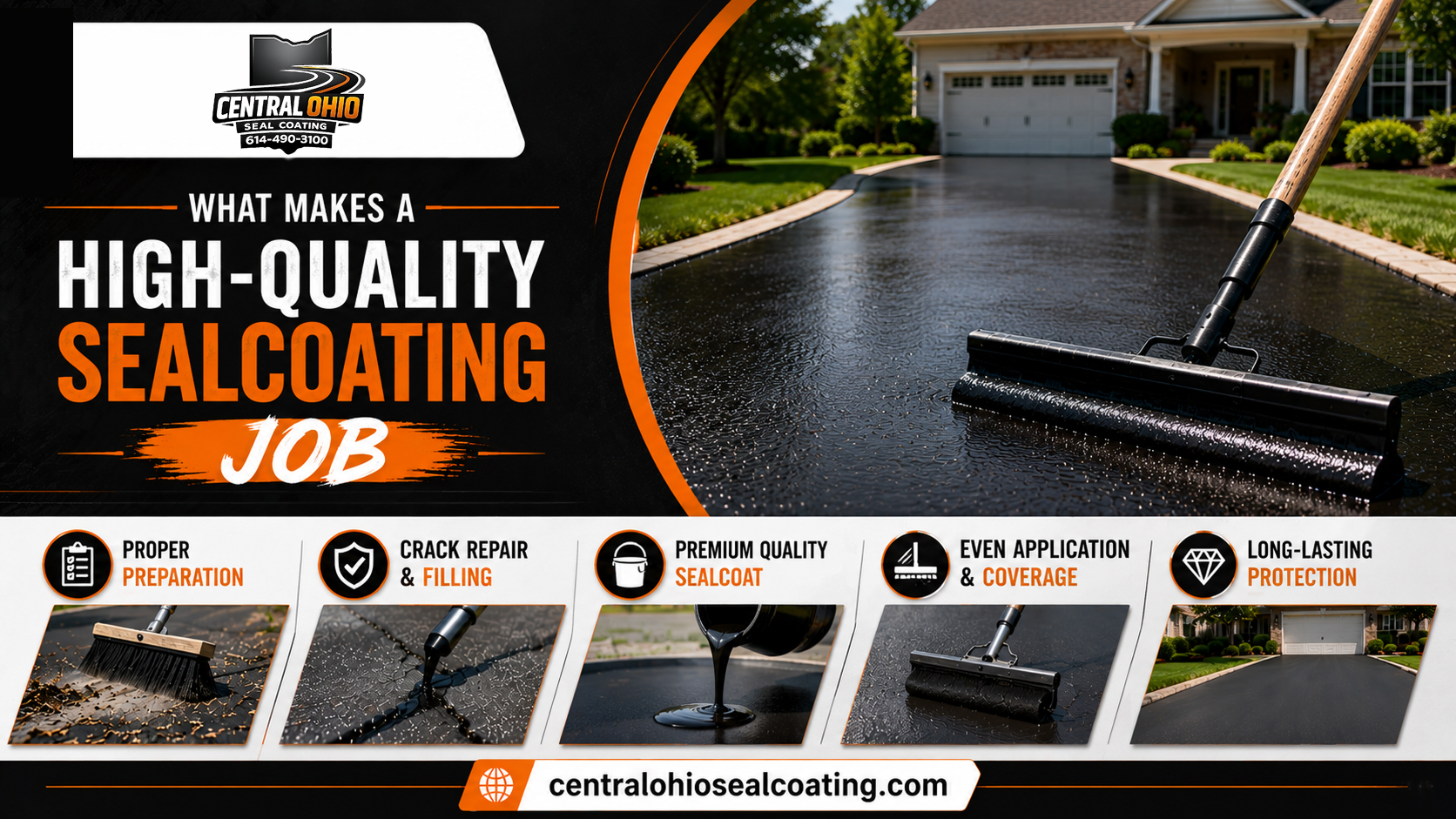
Central Ohio Seal Coating describes surface cleaning and minor crack treatment as part of its residential sealcoating preparation process.
This preparation helps the coating bond properly and provides more consistent coverage.
13. Why Proper Preparation Affects How Long Sealcoating Lasts
The quality of the sealcoating job depends on more than the coating material itself.
If dirt, debris, loose material, or untreated surface damage remains on the driveway, the sealcoat may not bond or perform as intended.
Proper preparation can include:
- Removing dirt
- Cleaning debris
- Treating suitable cracks
- Removing loose material
- Inspecting pavement condition
- Applying the coating evenly
Central Ohio Seal Coating emphasizes proper preparation as an important part of achieving consistent sealcoat adhesion and durability.
14. How Long Does Sealcoating Usually Last?
Central Ohio Seal Coating states that professionally applied sealcoating typically lasts approximately two to three years, depending on traffic and environmental conditions.
That does not mean every driveway needs to be resealed immediately when three years have passed.
Instead, homeowners should consider:
Time since last application + current pavement condition + weather exposure + traffic
Together, these provide a better basis for deciding when maintenance is needed.
15. What If the Driveway Still Looks Good After Three Years?
If your driveway remains in good condition after three years, you may not necessarily need to reseal it immediately.
Look for:
- Healthy surface texture
- Minimal cracking
- No significant raveling
- No major fading
- No widespread deterioration
An inspection can help determine whether another application is appropriate.
The Asphalt Institute’s guidance also supports evaluating pavement condition rather than relying exclusively on a fixed timetable.
16. What If the Driveway Looks Worn Before Two Years?
The opposite can also happen.
If a driveway begins showing significant fading, dryness, surface wear, or cracking earlier than expected, it should be inspected.
Possible reasons include:
- Heavy traffic
- Poor previous application
- Severe weather exposure
- Existing pavement deterioration
- Improper preparation
- Underlying pavement problems
Simply applying another layer without determining why the surface deteriorated may not provide the desired result.
17. Seasonal Timing Matters for Ohio Sealcoating
Sealcoating requires appropriate weather conditions for application and curing.
Central Ohio Seal Coating notes that sealcoating is generally performed during warmer months when weather conditions allow the coating to cure properly.
This means homeowners should plan ahead rather than waiting until late fall or winter.
A suitable warm-weather window gives the coating the opportunity to cure properly before the pavement is exposed to colder conditions.
18. Why Summer Can Be a Useful Time for Driveway Sealcoating
Ohio summers generally provide warmer conditions that are favorable for sealcoat application.
Homeowners can use this period to:
- Inspect driveway condition
- Repair minor cracks
- Schedule sealcoating
- Allow adequate curing time
- Complete preventive maintenance
The exact weather conditions still need to be suitable for the specific sealcoating product being used.
19. Why Waiting Until Winter Is a Bad Maintenance Strategy
Ohio’s colder months are generally not the time to plan routine sealcoating.
Cold temperatures and unsuitable weather can interfere with curing.
Instead, homeowners should identify maintenance needs during the warmer months and schedule the work when conditions are appropriate.
Planning early can also help avoid waiting until the driveway has already developed more serious deterioration.
20. A Simple Driveway Resealing Schedule
A practical maintenance plan can look like this:
Year 0
Install the asphalt driveway.
Years 1–2
Monitor the surface and allow the new pavement to mature appropriately.
Around Years 2–3
Inspect the driveway for fading, dryness, minor cracking, and surface wear.
Years 3–5
Consider sealcoating based on pavement condition and previous maintenance.
Every 2–3 Years After That
Continue inspecting the driveway and reseal when conditions indicate that another protective application is appropriate.
This is a general framework—not a replacement for inspecting the actual driveway.
21. Signs Your Driveway May Be Ready to Reseal
Look for several signs together rather than relying on one.
Fading
The pavement has changed from dark black to gray.
Dry appearance
The surface looks less rich and protected.
Minor surface cracking
Small cracks are beginning to appear.
Rough texture
The surface is becoming increasingly coarse.
Surface wear
Areas exposed to traffic look more worn.
Previous sealcoat is wearing away
The protective appearance has diminished significantly.
These conditions can indicate that the driveway is approaching another maintenance cycle.
22. How Central Ohio Seal Coating Can Help
Central Ohio Seal Coating can inspect the driveway and help homeowners determine whether it is ready for another sealcoating application.
The company focuses on:
- Proper surface preparation
- Minor crack treatment
- Professional sealcoat application
- Consistent coverage
- Pavement maintenance
- Residential driveway protection
Its residential service information explains that sealcoating is intended to protect suitable asphalt from moisture, sunlight, vehicle traffic, and environmental wear while improving appearance.
The goal is not to apply sealcoat simply because a certain number of years have passed. The goal is to apply it when the pavement is in an appropriate condition for preventive protection.
23. Why Regular Driveway Maintenance Matters
Resealing is only one part of driveway maintenance.
Homeowners should also monitor:
- Cracks
- Potholes
- Drainage
- Edges
- Surface wear
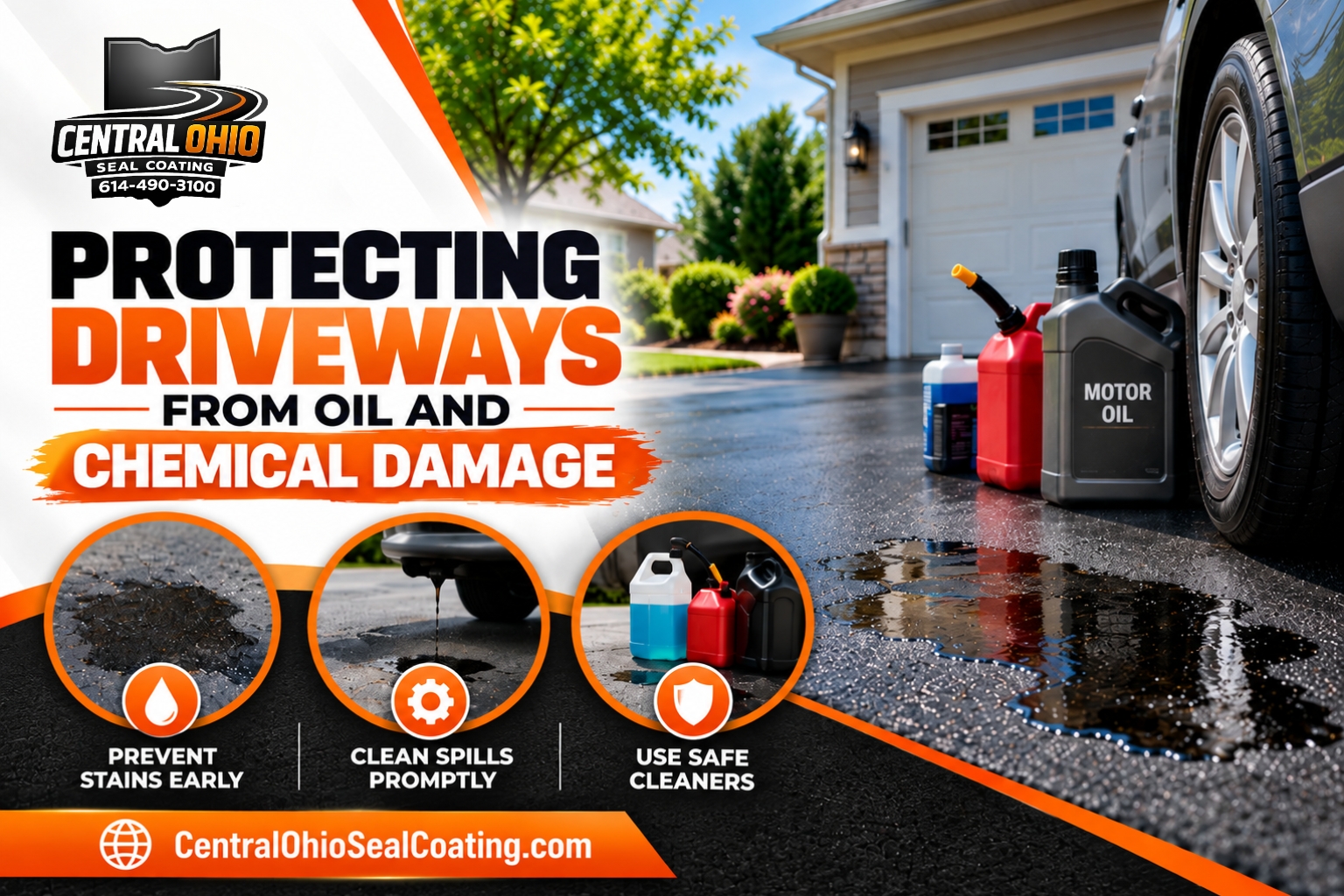
- Oil or chemical stains
- Settlement
Central Ohio Seal Coating recommends preventive maintenance because early attention can help identify problems before they become more extensive.
A driveway that is inspected regularly is easier to maintain than one that is ignored until major damage appears.
24. Resealing vs. Replacing a Driveway
Not every aging driveway needs complete replacement.
If the pavement remains structurally sound and mainly has surface-level aging, sealcoating may be an appropriate maintenance option.
If the driveway has widespread structural deterioration, however, more extensive work may be necessary.
The distinction is important:
Sealcoating = surface protection
Repair = correction of localized damage
Resurfacing/replacement = solution for more extensive deterioration
An appropriate evaluation can help determine which category your driveway falls into.
25. Final Driveway Resealing Checklist
Before scheduling another sealcoating application, ask:
- When was the driveway last sealed?
- Has the asphalt noticeably faded?
- Is the surface becoming dry or rough?
- Are small cracks appearing?
- Are there potholes or major cracks?
- Is water draining properly?
- Is the asphalt structurally sound?
- Has the driveway experienced unusually heavy traffic?
- Are weather conditions suitable for sealcoating?
- Has the surface been properly prepared?
If the driveway is structurally sound but showing normal surface aging, another sealcoating application may be appropriate.
Final Thoughts
So, how often should you reseal driveway in Ohio? For many residential asphalt driveways, every two to three years is a useful general guideline. Central Ohio Seal Coating recommends this interval while noting that traffic, weather, and pavement condition can change the appropriate timing.
At the same time, homeowners should not rely entirely on a calendar. Sealcoating services in Central Ohio notes that properly constructed low-traffic pavement may not require sealing for approximately two to five years and recommends considering visible signs such as dryness, brittleness, small surface cracks, and raveling.
Ohio’s changing weather makes preventive maintenance particularly useful. Moisture, seasonal temperature changes, sunlight, and traffic gradually affect asphalt, so monitoring the driveway can help identify maintenance needs before surface deterioration becomes more serious.
If your driveway is showing fading, minor cracks, a dry appearance, or surface wear, Central Ohio Seal Coating can evaluate its condition and determine whether it is ready for another protective sealcoat. If major cracks, potholes, or structural problems are present, those issues should be addressed before applying a protective coating.
Regular inspection, proper preparation, and timely resealing can help homeowners protect suitable asphalt driveways and maintain their appearance and performance for years to come.