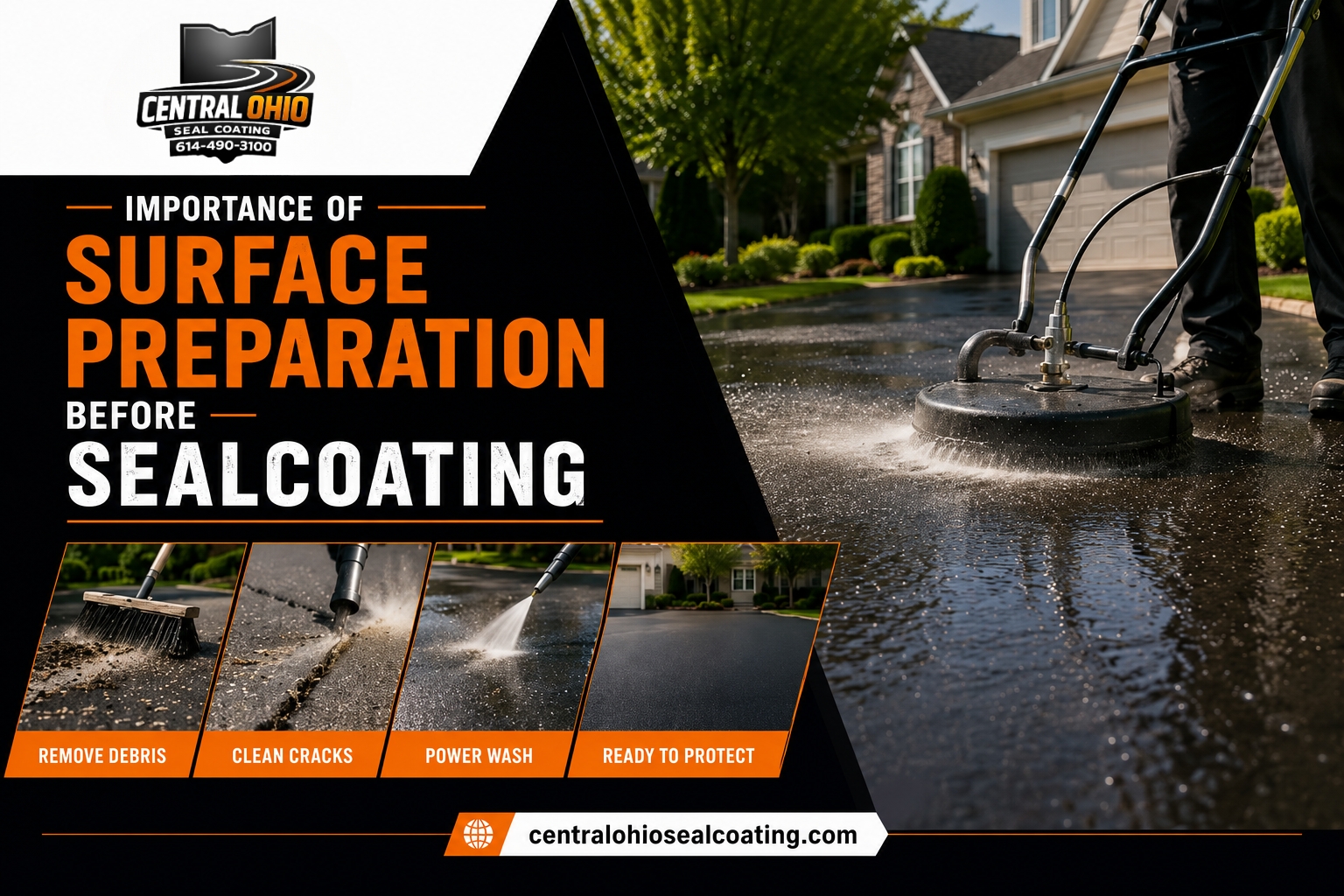

Are you noticing your asphalt fading, cracking, or wearing down over time? Asphalt surfaces throughout Central Ohio face constant exposure to harsh weather conditions that gradually weaken pavement structure and appearance. Freezing winters, road salt, heavy rainfall, UV exposure, and seasonal temperature swings all contribute to ongoing asphalt deterioration. Understanding the most common sealcoating signs Ohio property owners experience is important for protecting driveways, parking lots, and private roads before serious damage develops. Many asphalt surfaces begin showing early warning signs such as fading color, small surface cracks, rough texture, loose aggregate, water penetration, or minor potholes long before major structural failures appear. Unfortunately, many property owners delay sealcoating until damage becomes much more expensive to repair.
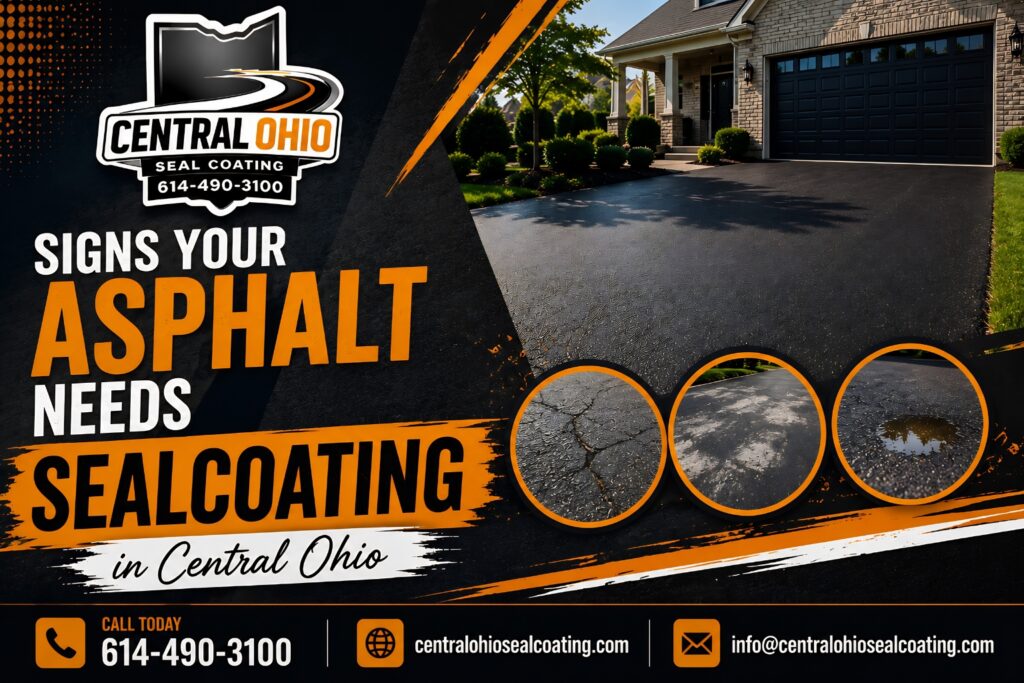
Professional sealcoating helps create a protective barrier that shields asphalt from moisture infiltration, oxidation, chemicals, oil spills, UV rays, and traffic wear. In Ohio’s freeze–thaw climate, protecting asphalt early is especially important because small cracks can quickly expand as water enters the pavement and freezes during winter months. When asphalt surfaces begin showing visible signs of aging or exposure, timely sealcoating can significantly improve durability, preserve appearance, and extend pavement lifespan while reducing long-term maintenance costs.
Why Sealcoating Is Important in Ohio
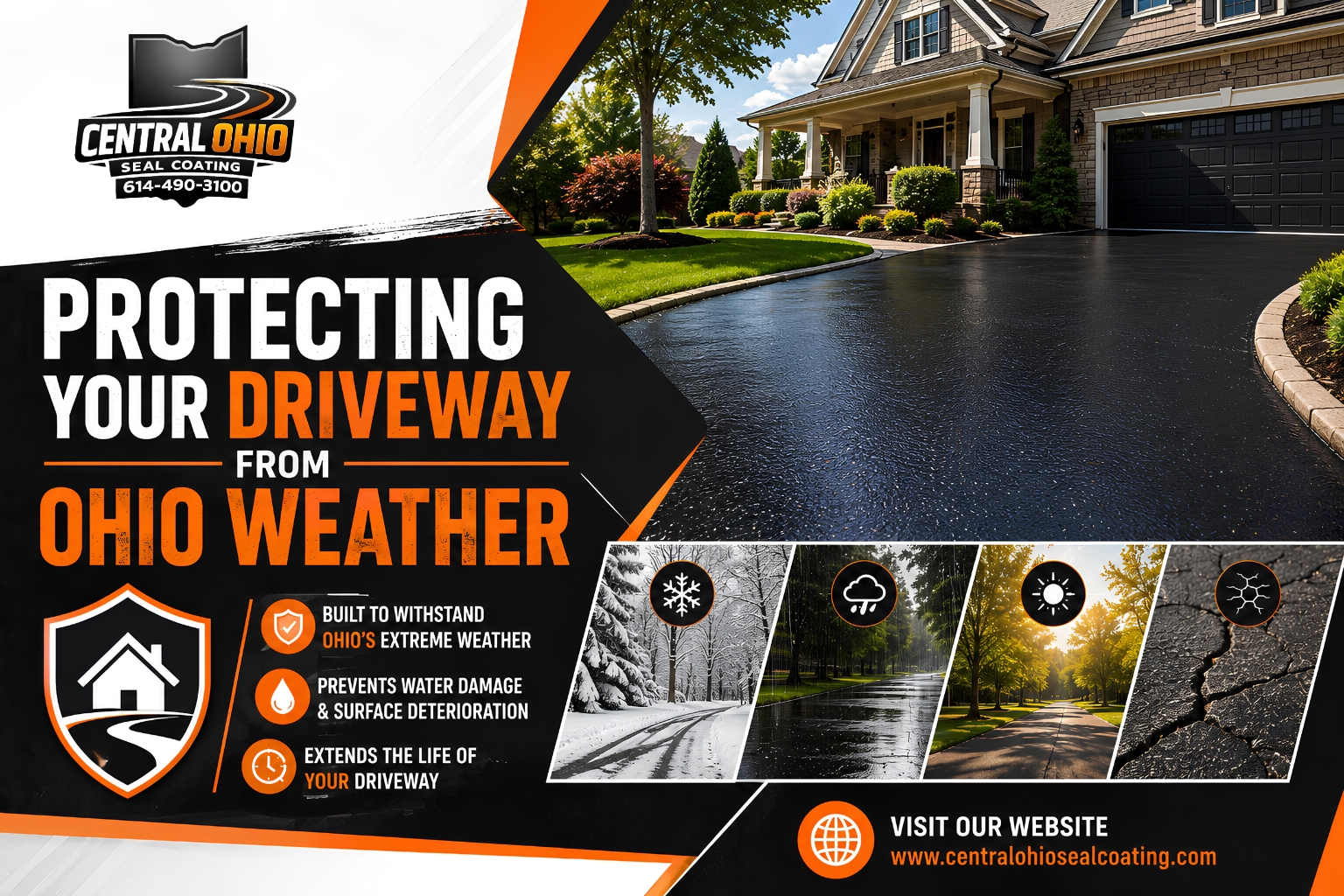
Ohio weather creates ideal conditions for asphalt deterioration.
Common environmental stress factors include:
- Freeze-thaw cycles
- Snow and ice
- Road salt exposure
- Heavy rain
- UV radiation
- Moisture infiltration
- Seasonal temperature changes
Without protection, these conditions gradually weaken asphalt surfaces, increasing the risk of cracking, potholes, and structural failure.
Sealcoating helps preserve pavement by creating a protective surface layer that shields asphalt from environmental damage.
Most Common Sealcoating Signs Ohio Property Owners Should Watch For
1. Fading Asphalt Color
Healthy asphalt should have a rich, dark black appearance.
Over time, exposure to sunlight and oxygen causes oxidation, which gradually fades the surface.
Signs of oxidation include:
- Gray pavement color
- Dry appearance
- Dull finish
- Loss of surface richness
Fading is one of the earliest signs that asphalt protection is weakening.
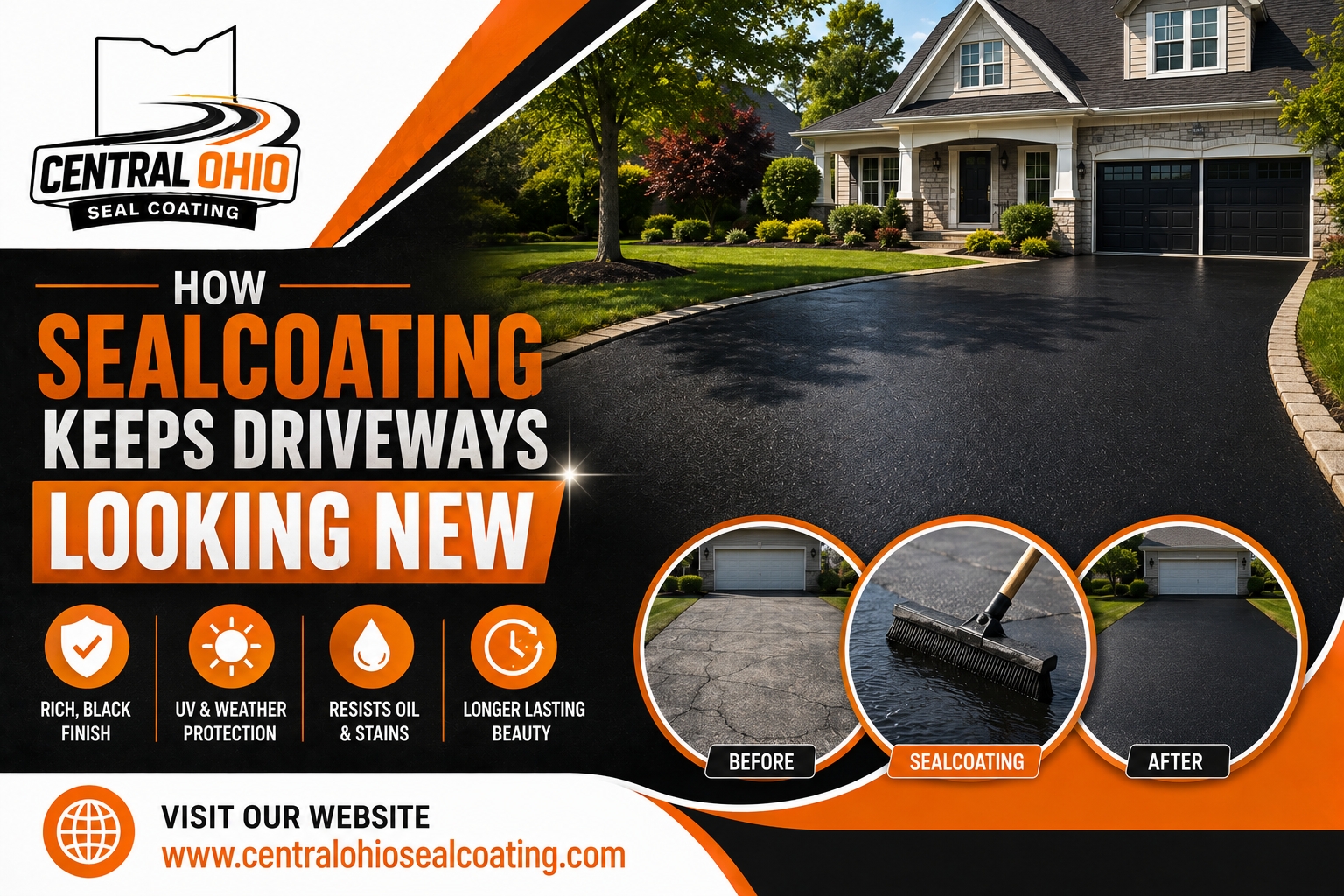
Sealcoating helps restore surface appearance while protecting pavement from further oxidation.
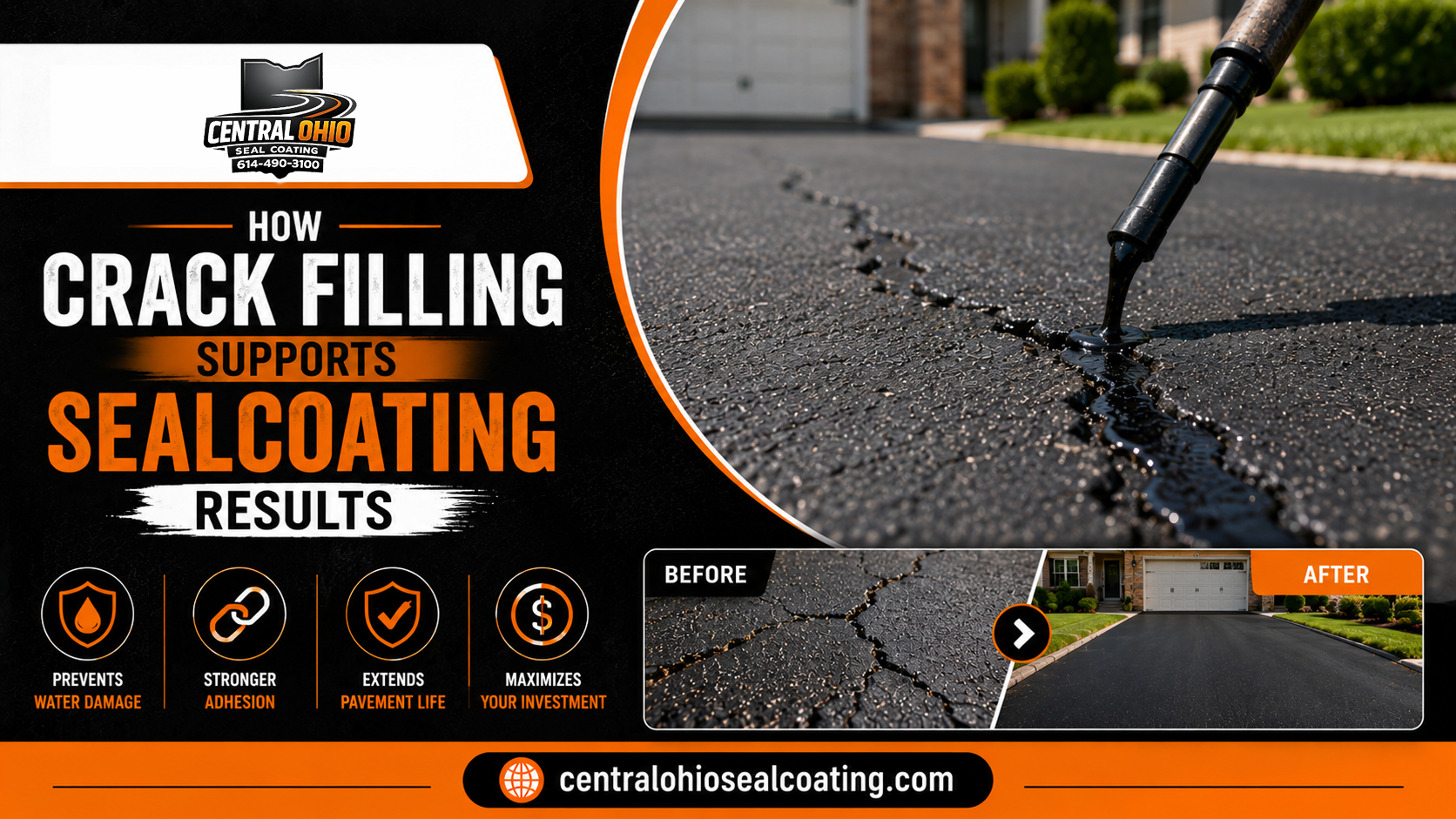
2. Small Surface Cracks
Minor cracks may seem harmless at first, but they often signal that asphalt is losing flexibility and becoming vulnerable to moisture penetration.
Common crack types include:
- Hairline cracks
- Surface cracking
- Edge cracks
- Longitudinal cracks
Once water enters these cracks, freeze-thaw cycles can rapidly worsen the damage.
Routine sealcoating helps reduce moisture intrusion and slow crack expansion.
3. Water Absorption
One of the clearest signs asphalt needs sealcoating is water soaking into the surface instead of beading on top.
Water absorption may indicate:
- Surface porosity
- Loss of protective oils
- Oxidation damage
- Weakening asphalt binders
Properly sealed asphalt repels moisture and improves water resistance.
This is especially important during Ohio’s rainy seasons and winter months.
4. Rough or Brittle Surface Texture
As asphalt ages, the surface often becomes rough, dry, and brittle.
Surface texture issues may include:
- Loose aggregate
- Rough pavement
- Surface erosion
- Dry appearance
These conditions increase the likelihood of:
- Cracking
- Surface breakdown
- Premature deterioration
Sealcoating helps preserve pavement flexibility and surface smoothness.
5. Surface Raveling
Raveling occurs when asphalt aggregate begins separating from the pavement binder.
Common symptoms include:
- Loose gravel
- Surface erosion
- Uneven texture
- Worn pavement appearance
Raveling often develops when asphalt is exposed to prolonged oxidation and environmental wear without protective maintenance.
6. Edge Deterioration
Pavement edges are especially vulnerable to environmental stress and moisture intrusion.
Signs of edge wear include:
- Crumbling edges
- Surface separation
- Small edge cracks
- Soil erosion near pavement borders
Proper sealcoating helps protect vulnerable edge areas from water damage and oxidation.
7. Oil and Chemical Stains
Driveways and parking lots are regularly exposed to:
- Motor oil
- Gasoline
- Vehicle fluids
- Road chemicals
These substances can weaken asphalt binders and accelerate deterioration.
Sealcoating provides a protective barrier that helps reduce chemical penetration and surface damage.
8. Increased Surface Wear From Traffic
Daily traffic gradually wears down asphalt surfaces.
Traffic-related wear may include:
- Surface dullness
- Tire wear patterns
- Minor depressions
- Texture loss
Sealcoating helps strengthen the surface layer while improving resistance to traffic-related abrasion.
Why Ohio Freeze-Thaw Cycles Make Sealcoating Essential
Freeze-thaw cycles are one of the biggest threats to asphalt pavement in Ohio.
The process works like this:
- Water enters small pavement openings.
- Temperatures drop below freezing.
- Water expands as it freezes.
- Pavement cracks widen under pressure.
Repeated freeze-thaw cycles can rapidly increase pavement damage if asphalt is left unprotected.
Sealcoating helps minimize water infiltration, reducing freeze-related deterioration.
Residential and Commercial Sealcoating Benefits
Residential Benefits:
- Improved curb appeal
- Longer driveway lifespan
- Better weather resistance
- Reduced cracking
- Enhanced surface appearance
Commercial Benefits:
- Improved parking lot durability
- Better customer appearance
- Reduced pavement wear
- Lower maintenance needs
- Enhanced property presentation
Routine sealcoating protects both residential and commercial asphalt investments.
Sealcoating Warning Signs Comparison Table
| Warning Sign | What It Indicates | Potential Risk |
|---|---|---|
| Gray Asphalt | Oxidation | Surface brittleness |
| Small Cracks | Moisture intrusion | Crack expansion |
| Water Absorption | Surface wear | Base weakening |
| Rough Texture | Aging asphalt | Surface deterioration |
| Raveling | Binder breakdown | Structural wear |
| Edge Damage | Water intrusion | Pavement instability |
| Chemical Stains | Surface weakening | Accelerated deterioration |
| Surface Wear | Traffic stress | Premature aging |
Importance of Professional Sealcoating Application
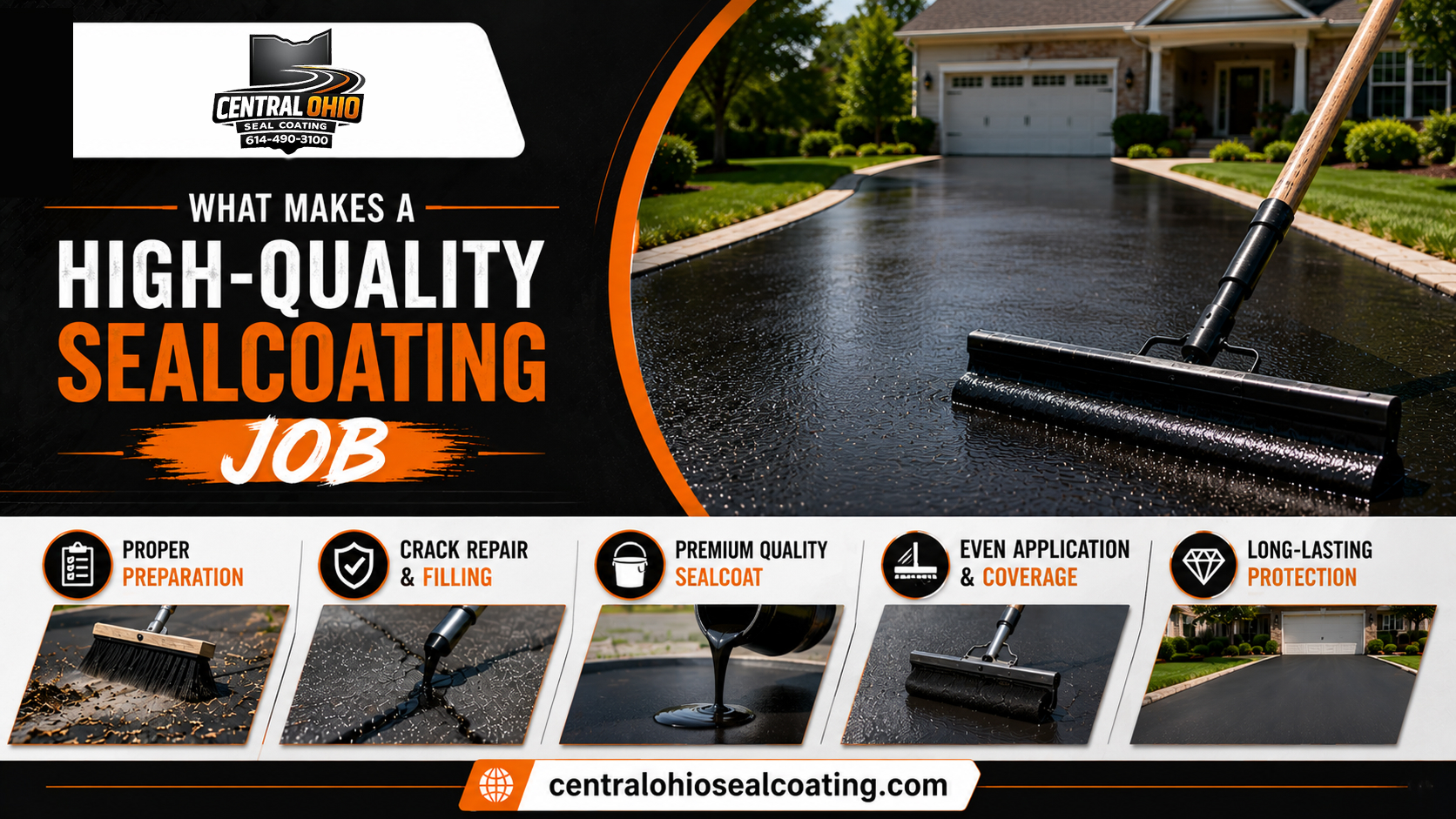
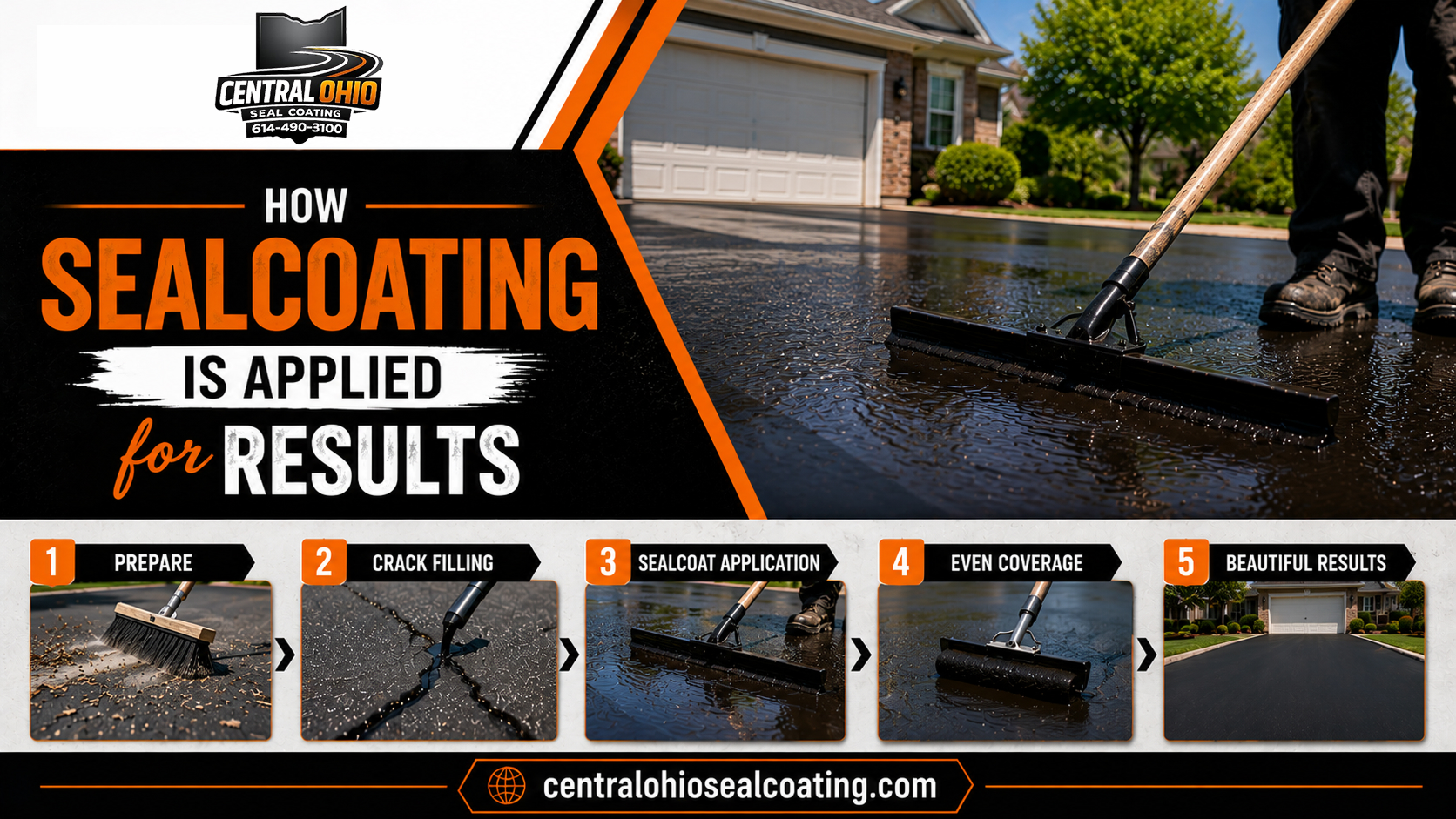
Professional sealcoating delivers far better protection than basic DIY applications.
Working with Professional sealcoating Experts in Columbus Ohio helps ensure:
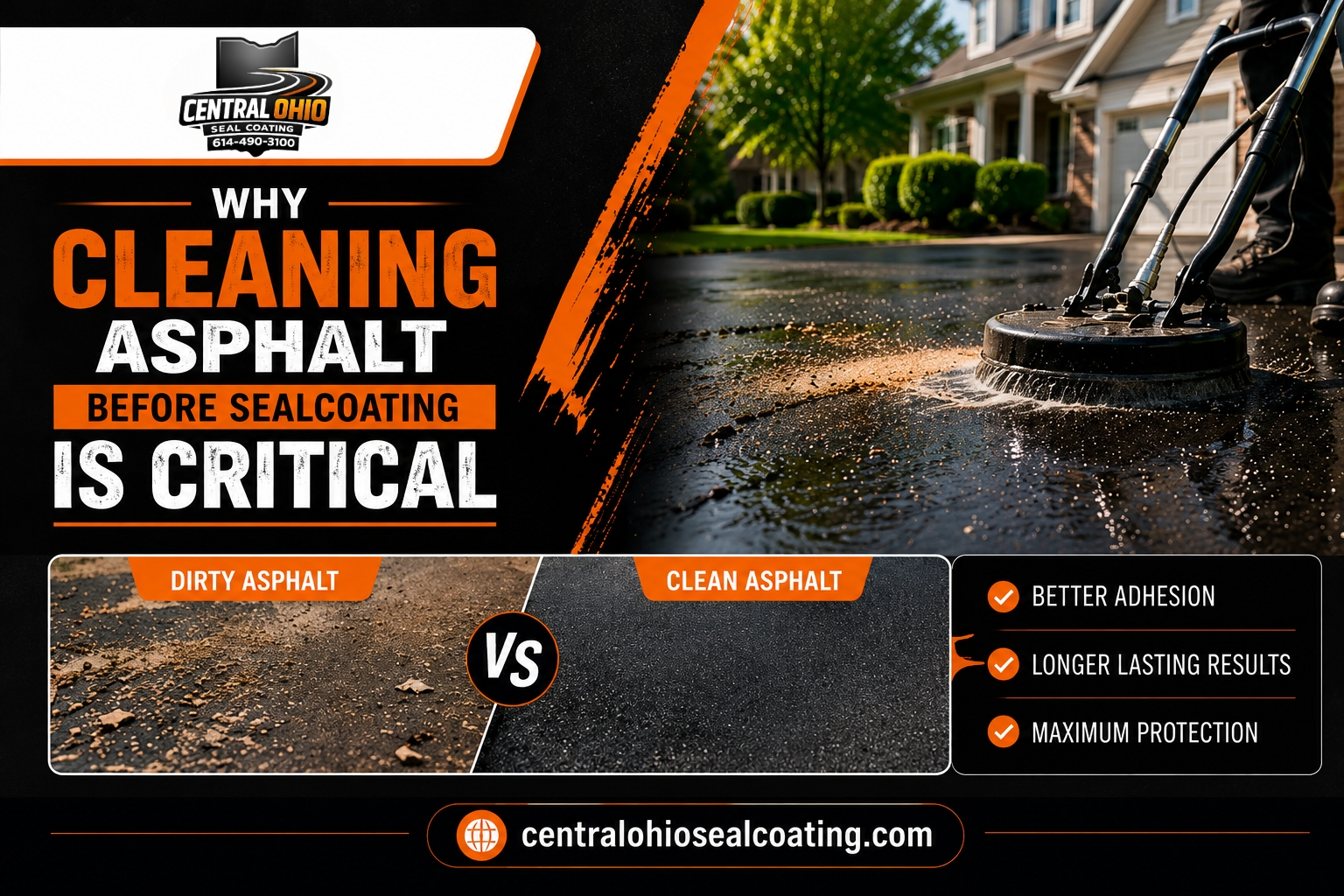
- Proper surface preparation
- Crack treatment
- Commercial-grade sealants
- Uniform application
- Long-lasting pavement protection
Professional maintenance significantly improves sealcoating effectiveness and pavement lifespan.
Choosing the Right Sealcoating Company
Not all contractors offer the same quality of workmanship or materials.
Property owners searching for a recommended sealcoating company in Columbus Ohio should prioritize:
- Local experience
- Proven expertise
- Surface preparation standards
- Quality materials
- Long-term pavement protection strategies
Choosing experienced professionals helps maximize asphalt durability.
Why Accurate Pavement Evaluation Matters
Every pavement surface has different maintenance needs depending on:
- Surface age
- Existing damage
- Traffic exposure
- Drainage conditions
- Environmental wear
Obtaining professional sealcoating estimates in Columbus Ohio helps property owners understand their pavement condition and plan appropriate maintenance solutions.
Why Local Ohio Experience Matters
Ohio pavement conditions require climate-specific expertise.
Local professionals understand:
- Freeze-thaw stress
- Seasonal moisture exposure
- Salt-related damage
- Asphalt oxidation patterns
- Drainage challenges
At Central Ohio Sealcoating, asphalt maintenance systems are tailored specifically for Central Ohio’s climate and pavement conditions.
Long-Term Benefits of Routine Sealcoating
Routine sealcoating provides:
- Better moisture protection
- Slower oxidation
- Reduced cracking
- Improved curb appeal
- Longer pavement lifespan
- Lower maintenance frequency
- Enhanced structural durability
Sealcoating remains one of the most important preventative maintenance strategies for asphalt preservation.
Final Thoughts
Preventive asphalt maintenance plays a major role in protecting pavement against Ohio’s demanding environmental conditions. Once asphalt begins to dry out, crack, or lose surface flexibility, deterioration can accelerate rapidly with moisture exposure and changing temperatures. Understanding the most important sealcoating signs Ohio property owners should monitor helps homeowners and businesses take action before pavement damage becomes severe.
For residential driveways, routine sealcoating helps preserve curb appeal, minimize cracking, and prevent premature weather-related deterioration. For commercial parking lots and paved surfaces, sealcoating improves durability, enhances appearance, and helps reduce long-term repair costs caused by traffic and environmental exposure. Combined with crack sealing and regular pavement inspections, sealcoating remains one of the most cost-effective asphalt maintenance services available.
If your asphalt surface is beginning to fade, crack, or show signs of surface wear, Central Ohio Sealcoating can help assess pavement conditions and provide professional sealcoating solutions designed specifically for Ohio’s climate and long-term pavement protection needs.